
Leading Foundation Repair Products To Address Foundation Shifts And Cracks
Identify key products designed to effectively correct foundation shifts, cracks, and stability concerns.
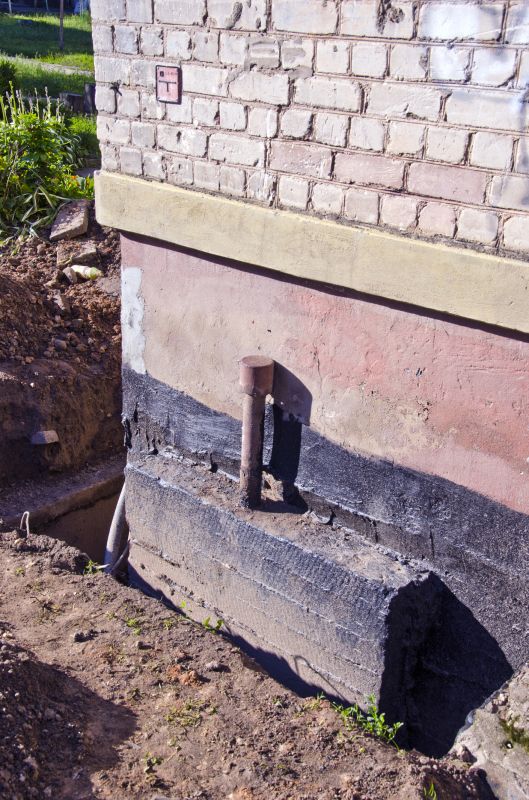 Foundation repairs are a critical aspect of maintaining the structural integrity of a building, especially in areas prone to soil movement or moisture fluctuations. When addressing foundation issues, a variety of products can be utilized to stabilize and reinforce the structure. These products range from simple crack fillers to complex underpinning systems, each designed to serve specific needs and conditions. Proper selection and application of these products can help prevent further damage and support long-term stability.
Top Overall Option
Hydraulic Piering System
A hydraulic piering system is a versatile foundation repair solution that involves installing adjustable piers beneath the foundation to provide support and lift. This method can be suitable for a range of soil conditions and foundation types, offering a customizable approach to stabilization. Properly installed hydraulic piers can help distribute loads evenly and reduce stress on compromised areas, contributing to the overall stability of the structure.
Types of Products For Foundation Repairs
Epoxy Injection Kits
Used to seal cracks and restore structural integrity by filling voids and preventing water intrusion.
Carbon Fiber Reinforcement
Applied to reinforce cracked or bowing walls, providing added tensile strength without extensive excavation.
Underpinning Piers
Installed beneath the foundation to lift and stabilize sinking or settling structures.
Soil Stabilization Grouts
Injected into the soil to improve its load-bearing capacity and reduce shifting or settling.
Mudjacking and Slab Jacking Materials
Used to lift and level sunken concrete slabs around the foundation area.
Steel Push Piers
Driven into the ground to provide deep support for unstable foundations.
Helical Piles
Screw-in foundation supports suitable for various soil conditions and foundation types.
Waterproofing Membranes
Applied to exterior or interior surfaces to prevent water infiltration that can weaken foundations.
Drainage Systems
Installed to redirect water away from the foundation, reducing hydrostatic pressure.
Anchor Bolts and Plates
Help secure the foundation to the structure above, especially after repairs or reinforcement.
Polyurethane Foam Injectors
Used for quick stabilization and lifting of minor foundation settling issues.
Crack Repair Sealants
Flexible sealants designed to fill small cracks and prevent water intrusion.
Foundation Ventilation Products
Improve air circulation in crawl spaces to reduce moisture buildup that can affect the foundation.
Grout and Cement Mixes
Used for filling larger voids and repairing damaged concrete or masonry sections.
Structural Reinforcement Beams
Steel or composite beams used to support sagging or bowing walls and floors.
Popular Choices
Widely used for sealing small to medium cracks in concrete and masonry.
Commonly selected for reinforcing cracked basement walls and preventing further bowing.
Popular for their ability to lift and stabilize foundations with deep support.
Favored for quick, minimally invasive stabilization of minor settling issues.
Often installed to improve water management around foundations and reduce moisture-related problems.
Chosen for their adaptability and ease of installation in various soil types.
Commonly used to prevent water infiltration in basements and crawl spaces.
Popular for leveling sunken concrete slabs with minimal disruption.
Widely used for sealing small cracks and preventing water entry.
Frequently selected for supporting sagging floors and bowing walls.
Commonly used to secure the foundation to the framing for added stability.
Often chosen to improve soil conditions and reduce shifting.
Popular for reducing moisture and improving air quality in crawl spaces.
Used to strengthen walls and floors against movement or cracking.
In Mansfield, Ohio, where soil conditions and weather patterns can influence foundation health, understanding the available repair products is essential for homeowners and contractors alike. While professional assessment is recommended for significant issues, many repair products are suitable for minor to moderate problems or as supplementary measures. From epoxy injections that seal cracks to underpinning piers that lift and stabilize, the right products can make a noticeable difference in the durability of a foundation.
It's important to consider the compatibility of repair products with the existing foundation material, as well as their suitability for the specific type of damage. Proper application techniques and adherence to manufacturer instructions are key to achieving effective results. Additionally, ongoing maintenance and periodic inspections can help identify early signs of foundation distress and ensure the longevity of the repairs.
Choosing the appropriate foundation repair products involves evaluating factors such as soil conditions, extent of damage, and budget constraints. Consulting with a foundation specialist can provide tailored recommendations, but understanding the available product options empowers homeowners and DIY enthusiasts to make informed decisions. Whether dealing with minor cracks or more severe structural concerns, the right products can support a safer, more stable foundation for years to come.
Key Buying Considerations
- Assess the extent and type of foundation damage to determine appropriate repair products.
- Compatibility of repair materials with existing foundation materials such as concrete, masonry, or wood.
- Soil conditions and moisture levels in your area can influence product effectiveness.
- Ease of application, especially if considering DIY options, and whether professional installation is recommended.
- Long-term durability and the ability of the product to withstand local weather and soil movements.
- Cost considerations, including initial investment and potential future repairs.
- Manufacturer instructions and recommended application techniques to ensure proper use.
- Impact on property value and whether the product supports structural safety standards.
- Availability of replacement parts or additional components for ongoing maintenance.
- Environmental factors such as drainage and ventilation that can complement foundation repair efforts.
- Compatibility with existing waterproofing or drainage systems.
- Ease of access to repair sites for installation or inspection.
- Potential need for specialized tools or equipment for installation.
- Warranty or guarantee offered by the manufacturer or installer.
- Local building codes and regulations that may influence product selection and installation procedures.