Common Causes of Concrete Foundation Damage
To address common causes of concrete foundation damage, local contractors can assess issues like soil shifting, water intrusion, or settling and provide effective repair solutions.
Understanding the common causes of concrete foundation damage is an important step for property owners looking to protect their investments. Issues such as soil movement, poor drainage, and improper construction practices can all contribute to cracks, settling, or more severe structural problems over time. Recognizing these factors helps homeowners and property managers identify early warning signs and seek appropriate solutions before damage worsens. Local contractors experienced in foundation repair are equipped to assess these underlying causes and recommend effective strategies to restore stability and prevent future issues.
Exploring the reasons behind foundation damage is especially relevant for those living in areas prone to shifting soils or heavy rainfall, where environmental factors can accelerate deterioration. Addressing these concerns often involves specialized repair services that tackle the root causes, not just the symptoms. Connecting with local service providers can provide tailored advice and solutions suited to the specific conditions affecting a property. By understanding the common causes of concrete foundation damage, property owners can make informed decisions and find the right professionals to help maintain the integrity of their buildings.
- homeowners noticing cracks or shifting in their foundation may need foundation repair services, which local contractors approach by assessing the damage and recommending stabilization solutions. - when soil movement causes uneven settling of a concrete foundation, local service providers can perform underpinning or mudjacking to restore stability. - signs of water intrusion or excessive moisture around a foundation often lead to repairs focused on drainage improvements and sealing by local pros. - after significant weather events or flooding, local contractors evaluate foundation integrity and provide necessary repairs to prevent further damage. - if persistent cracking or bowing occurs in basement walls, local service providers can implement wall reinforcement or stabilization techniques to maintain structural integrity.
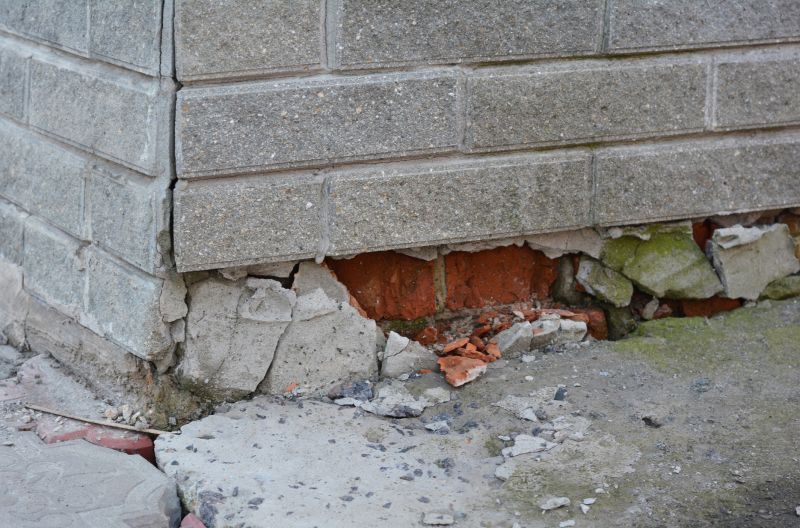
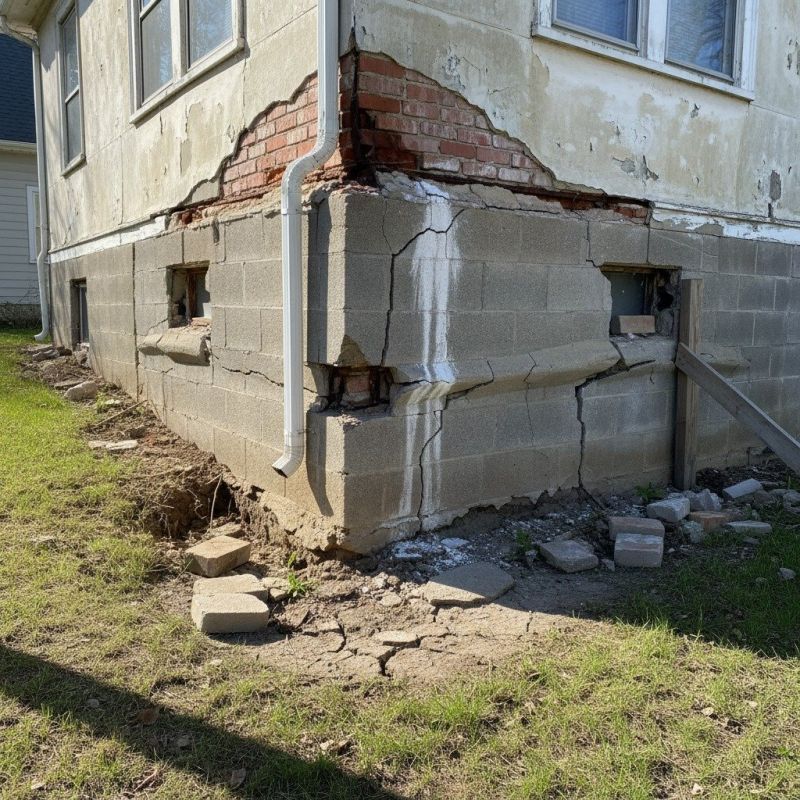
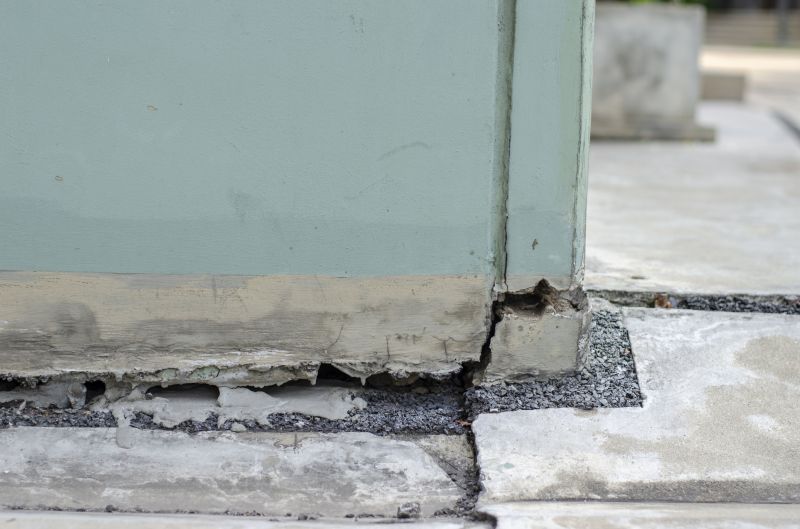
Understanding the common causes of concrete foundation damage helps homeowners recognize potential issues early and seek appropriate repairs. When people search for this topic, they are often concerned about why their foundation may be cracking, settling, or showing signs of distress. These problems can stem from a variety of factors that compromise the stability and integrity of the foundation, which in turn affects the safety and value of the property. Knowing the root causes allows homeowners to better understand the importance of timely repairs and how local contractors can address these specific issues to prevent further damage.
Many foundation problems are related to changes in soil conditions around the property. For example, expansive clay soils tend to swell when wet and shrink when dry, causing uneven pressure that can lead to cracking or shifting of the concrete. Poor drainage around the property can also contribute to foundation issues, as excess water can weaken soil support or cause erosion beneath the slab. Additionally, improper grading or landscaping can direct water toward the foundation rather than away from it, increasing the risk of damage. These issues are common in properties situated on challenging soil types or in areas with significant seasonal weather variations, making it important to work with local service providers who understand regional soil and drainage conditions.
Another frequent cause of concrete foundation damage involves structural stress from external forces. Heavy loads from nearby construction, large trees with invasive roots, or even adjacent structures can exert pressure on the foundation, leading to cracks or settlement. In some cases, shifts in the ground caused by natural events like earthquakes or soil subsidence can also impact the foundation’s stability. Homes that are older or built on poorly designed foundations may be more vulnerable to these types of stress. Local contractors experienced in foundation repair are equipped to evaluate these external influences and recommend solutions that reinforce the structure or address the root causes of the damage.
Environmental factors and construction practices can also play a role in foundation deterioration. For example, concrete that was not properly mixed or cured during initial construction may be more susceptible to cracking over time. Additionally, changes in moisture levels-whether due to drought, excessive rainfall, or inadequate waterproofing-can cause the concrete to expand or contract, leading to damage. In some cases, nearby excavation or construction work can disturb the soil beneath the foundation, resulting in settlement or shifting. Homeowners dealing with these issues should consider consulting local service providers who can assess the specific conditions affecting their property and recommend targeted repairs to restore stability and prevent future problems.
Concrete slab pouring projects - these projects require similar planning, leveling, and soil assessment skills that are essential for identifying and preventing common causes of concrete foundation damage.
Retaining wall construction - understanding soil pressure and drainage issues in retaining wall projects aligns with addressing water-related causes of foundation problems.
Drainage system installation - proper drainage is key to preventing water accumulation that can lead to foundation damage, making these projects closely related in planning and execution.
Soil stabilization services - these projects involve soil assessment and treatment techniques that are vital for preventing foundation shifting and cracking.
Basement waterproofing - waterproofing efforts focus on controlling moisture and water intrusion, directly addressing water-related causes of foundation deterioration.
Pier and beam foundation repair - these repairs often involve soil and moisture management skills that are applicable to understanding and fixing foundation damage causes.
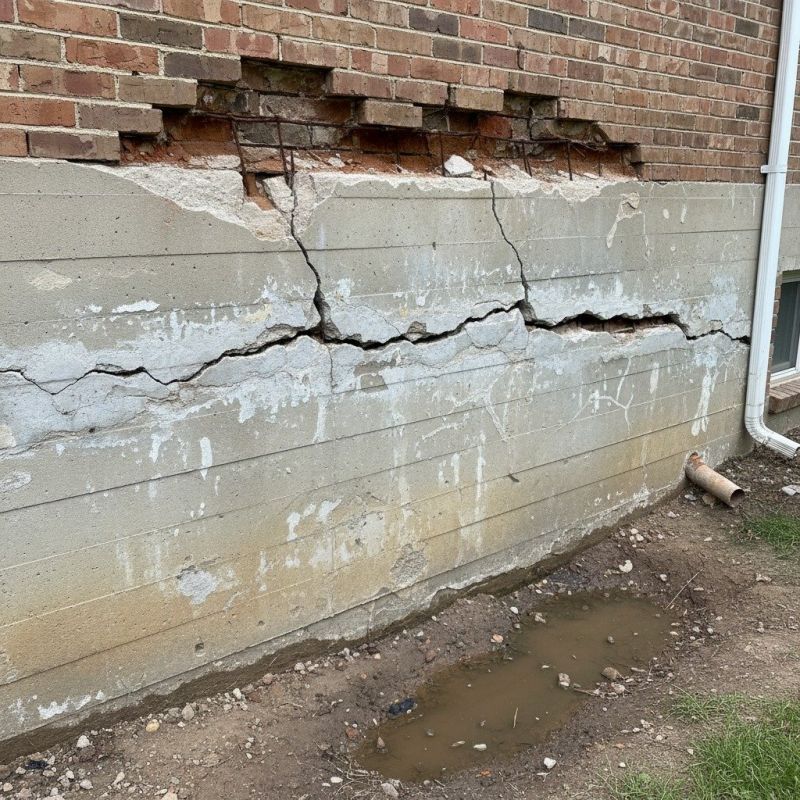
When comparing service providers for foundation damage repair, it’s important to evaluate their experience with similar projects. Homeowners should seek out local contractors who have a proven track record handling issues related to common causes of concrete foundation damage, such as settling, shifting soil, or water intrusion. An experienced contractor will understand how these factors specifically impact foundations in the area and will be better equipped to identify underlying problems accurately. Reputable references or examples of past work can provide insight into their ability to deliver results that address the root causes effectively and prevent future issues.
Clear written expectations are essential when choosing a foundation repair service. Homeowners should look for detailed, transparent descriptions of the scope of work, the methods to be used, and any potential limitations or necessary follow-up steps. This clarity helps ensure that there are no surprises during or after the project and that both parties have aligned understanding of what will be accomplished. When service providers communicate openly about their process and what homeowners can expect, it fosters trust and helps in making an informed decision.
Good communication is a key factor in selecting a reliable contractor. Homeowners should prioritize local service providers who are responsive and willing to answer questions thoroughly. Reputable contractors often provide references or testimonials that can be verified, giving confidence in their professionalism and reliability. A contractor’s ability to listen carefully, explain options clearly, and keep homeowners informed throughout the project can make the repair process smoother and more transparent, ultimately leading to a more satisfactory outcome for addressing common causes of concrete foundation damage.
Property owners often search for common causes of concrete foundation damage when they are planning practical projects around their homes and businesses. Local pros provide Foundation Damage Repair services for everyday jobs and straightforward project options.
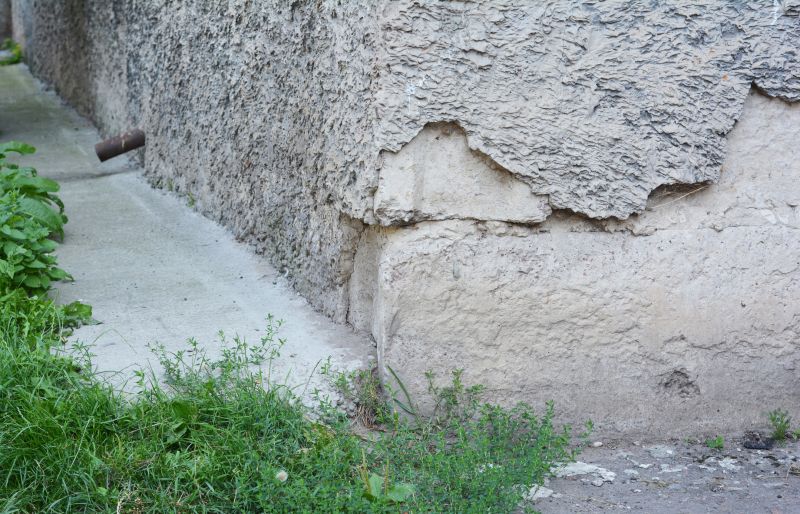
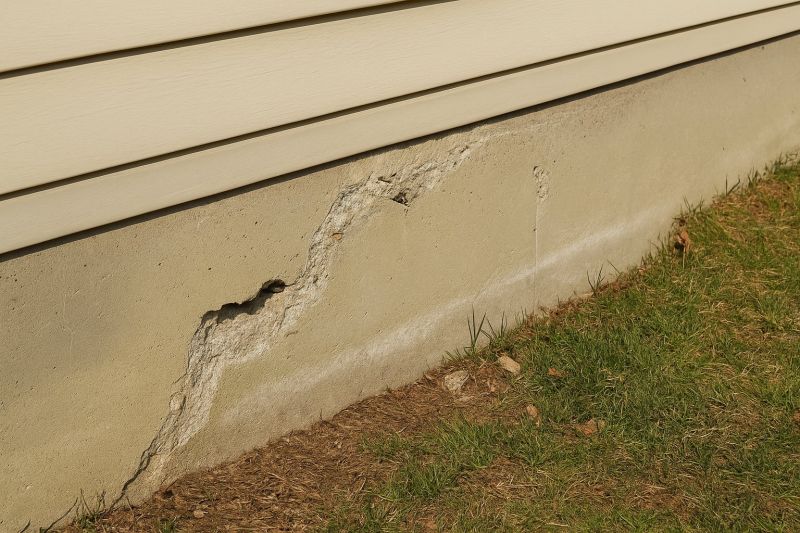
Understanding the common causes of concrete foundation damage can help property owners identify potential issues early on. In many cases, everyday project situations like improper grading around the property, poor drainage, or inadequate soil preparation can lead to shifting or settling of the foundation. Additionally, exposure to excessive moisture from leaks, clogged gutters, or nearby landscaping can weaken the soil supporting the foundation, increasing the risk of cracks or uneven settling. Property owners who notice signs such as cracks in walls, uneven floors, or sticking doors often seek out local contractors experienced in foundation repair to assess and address these underlying issues.
Simple factors like tree roots growing too close to the foundation or changes in the local soil conditions due to construction or natural settling are also common causes of concrete foundation damage. Over time, these issues can compromise the stability of the structure, making repairs necessary to prevent further deterioration. When such problems arise, property owners can turn to local service providers who specialize in foundation repair. These professionals can evaluate the specific causes of damage and recommend appropriate solutions to help restore the integrity of the foundation.
What are common causes of concrete foundation damage? Common causes include soil movement, water infiltration, poor drainage, and tree root intrusion, all of which can compromise the stability of a foundation. Local contractors experienced in foundation repair can evaluate and address these issues effectively.
How does soil movement affect concrete foundations? Soil movement, such as expansion or settling, can create pressure or gaps that lead to cracking and shifting in the foundation. Skilled service providers can identify soil-related problems and recommend appropriate repair solutions.
Can water issues cause damage to concrete foundations? Yes, water infiltration from poor drainage, leaks, or heavy rainfall can weaken the concrete and cause erosion or cracking. Local pros can help improve drainage systems and repair existing water damage.
What role do tree roots play in foundation damage? Tree roots can grow beneath the foundation, exerting pressure and causing cracks or upheaval. Experienced contractors can assess root-related problems and suggest suitable removal or barrier options.
How do poor construction practices contribute to foundation damage? Inadequate foundation design, improper curing, or substandard materials can lead to early deterioration. Local foundation repair specialists can evaluate construction-related issues and perform necessary repairs to restore stability.
Soil movement and settlement can cause foundation cracks, so property owners might consider consulting local contractors to assess soil stability before starting landscaping or excavation projects. Water intrusion and poor drainage can weaken concrete foundations; homeowners can work with service providers to improve drainage systems around their property. Tree roots growing nearby can exert pressure on foundations; engaging local pros for root management can help prevent damage from invasive roots. Frost heave and freeze-thaw cycles can create shifting and cracking; property owners may seek advice from local contractors on proper insulation and foundation protection methods.
If you are thinking about common causes of concrete foundation damage for a property, this guide is meant to help you understand this topic, the typical project types, and how different options might fit your plans.
When you are ready, you can use the quote form on this page to share a few details about your project. From there, local pros can review the basics and follow up with options that match what you have in mind.